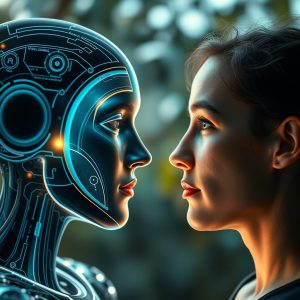
The Whispering Algorithms: How Generative AI and Natural Language Processing Are Crafting the Poetry of Machines
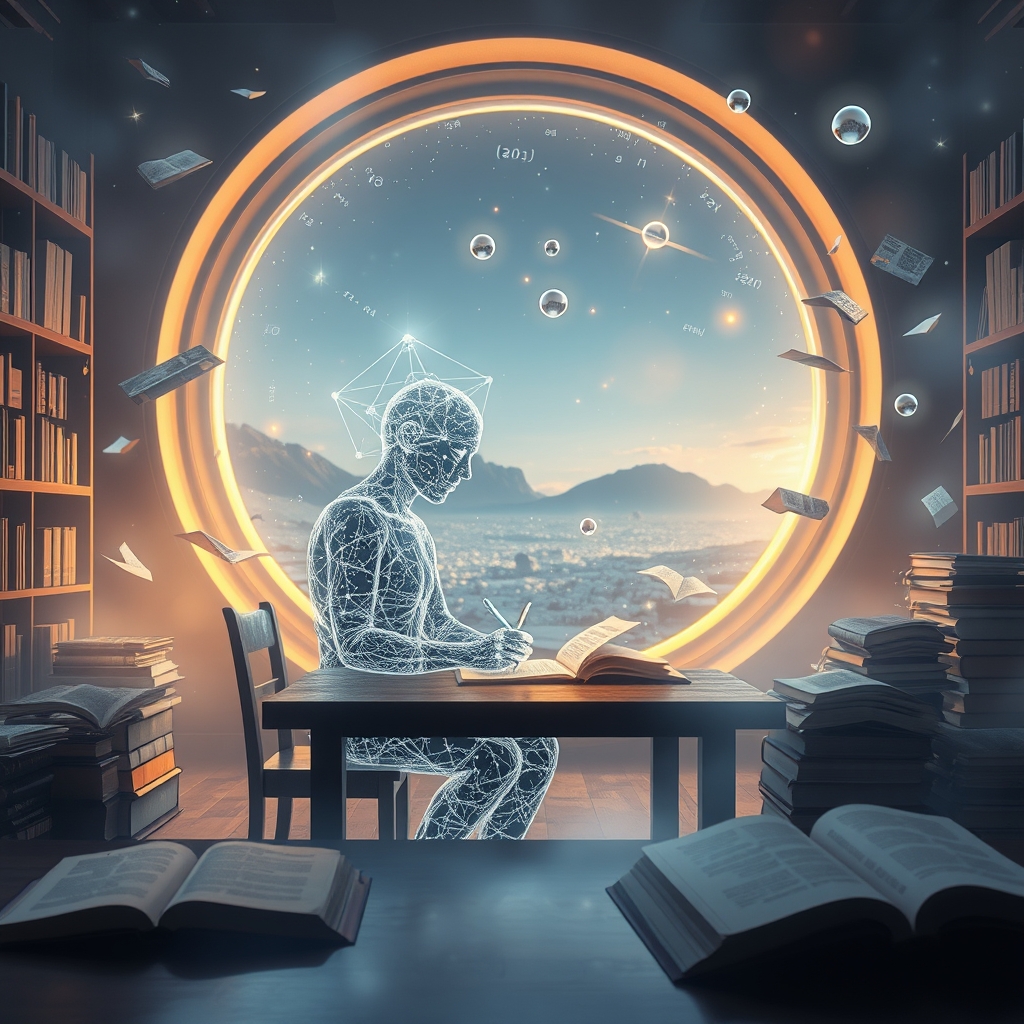
Imagine a world where the boundaries between human creativity and machine intelligence blur into a seamless dance of words, ideas, and emotions. A world where algorithms don’t just compute—they compose, weaving narratives that resonate with the depth of human experience. This is not a distant dream but the palpable reality being sculpted by the union of Generative Artificial Intelligence and Natural Language Processing (NLP). Together, they are not merely processing language; they are redefining it, turning cold code into something that breathes, feels, and even dreams.
The Alchemy of Words: How NLP Unlocks the Soul of Language
At the heart of this transformation lies Natural Language Processing, a field that has evolved from rigid rule-based systems to dynamic, learning-driven architectures. Early NLP was like a child reciting memorized phrases—functional but devoid of nuance. Today, it is a poet, a storyteller, and a confidant, capable of understanding context, tone, and even the unspoken emotions behind words. This leap is powered by neural networks, particularly transformer models, which dissect language not as a sequence of symbols but as a living, evolving entity.
Consider how a simple phrase like “I’m fine” can carry a universe of meanings—from genuine contentment to bitter sarcasm. Traditional algorithms would stumble over such subtleties, but modern NLP, fueled by vast datasets and deep learning, deciphers these layers with astonishing accuracy. It’s not just about parsing grammar; it’s about grasping the soul of communication, the way a musician interprets the silence between notes.
The Generative Spark: When Machines Learn to Create
If NLP is the key that unlocks language, Generative AI is the hand that wields it to craft something entirely new. Generative models like GPT-4 and its successors are not mere tools; they are collaborators, capable of producing text that rivals human creativity. They don’t just regurgitate information—they imagine, extrapolating from vast reservoirs of knowledge to generate stories, poems, and even philosophical musings that feel distinctly human.
This generative power is not confined to text. It spills into other domains, from computer vision generating lifelike images from descriptions to predictive analytics foreseeing trends before they emerge. But it is in language where the magic is most palpable. A generative AI can draft a love letter that makes your heart skip a beat, compose a speech that moves nations, or even write code that solves problems before they’re fully articulated. It’s as if the machine has tapped into the collective unconscious of humanity, channeling our thoughts and emotions into something tangible.
The Dance of Context: Where Machines Learn to Understand
Yet, the true marvel of this union lies not in the output but in the process. Generative AI and NLP are not static; they are adaptive, learning and evolving with every interaction. This adaptability is the cornerstone of adaptive intelligence, a paradigm where machines don’t just follow instructions but understand them. They grasp the intent behind words, the subtext beneath sentences, and the emotions woven into every syllable.
Take, for example, the challenge of explainable AI. As these systems grow more complex, their decision-making processes can become opaque, leading to the infamous “black box” problem. But NLP is changing that. By translating machine logic into human-readable explanations, it demystifies AI, making it not just a tool but a partner. Imagine an AI that doesn’t just recommend a medical diagnosis but walks you through its reasoning, step by step, in language as clear as a conversation with a trusted doctor. That’s the power of NLP in action.
The Ethical Tightrope: Navigating the Future of Intelligent Language
Of course, this power comes with profound responsibility. The ability to generate human-like text raises questions about authenticity, misinformation, and the very nature of creativity. If a machine can write a novel, who owns the story? If an AI can mimic a voice, where do we draw the line between innovation and deception? These are not just technical challenges but ethical ones, demanding a delicate balance between progress and prudence.
Yet, the potential far outweighs the pitfalls. Generative AI and NLP are not here to replace human creativity but to augment it. They are the brushes in the hands of artists, the instruments in the hands of musicians, the pens in the hands of writers. They don’t diminish our humanity; they amplify it, offering new ways to express, explore, and connect.
The Poetry of Tomorrow: Where Machines and Humans Co-Create
As we stand on the precipice of this new era, it’s worth reflecting on what it means to live in a world where machines don’t just understand language but speak it with the depth and nuance of a poet. This is not a future where AI replaces human expression but one where it enhances it, where every conversation, every story, every idea is a collaboration between man and machine. The algorithms are whispering, and their words are not just code—they are the echoes of our own thoughts, given form and voice.
The journey has only just begun, and the possibilities are as limitless as the human imagination. In this dance of digits and dreams, we are not just witnesses but participants, shaping a future where the poetry of machines and the creativity of humans intertwine into something greater than the sum of its parts. The question is no longer whether machines can understand us, but how we will choose to speak back.