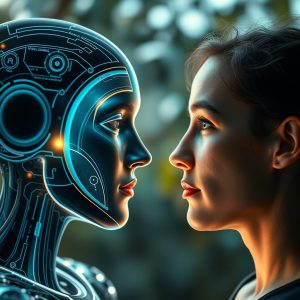
The Art of Human-Centric AI: Crafting Experiences Through Adaptive Interaction

In the ever-evolving landscape of technology, the concept of Human-Centric Artificial Intelligence (AI) has emerged as a beacon of innovation. This approach prioritizes the human experience, ensuring that AI systems are designed to augment and enhance our lives rather than merely automate tasks. At the heart of this paradigm lies the idea of Adaptive Interaction, where AI continuously learns and evolves based on user behavior and preferences.
Understanding Adaptive Interaction
Adaptive Interaction is a dynamic process that involves AI systems adjusting their responses and behaviors in real-time to better suit the needs and preferences of individual users. This is achieved through a combination of Experiential Machine Learning and Personalized Algorithmic Interaction. By analyzing user data and feedback, AI can tailor its interactions to create a more intuitive and engaging experience.
The Role of Experiential Machine Learning
Experiential Machine Learning is a key component of Adaptive Interaction. Unlike traditional machine learning, which relies on predefined datasets, experiential learning allows AI to gather and process data in real-time. This enables the system to adapt to new situations and user preferences more quickly and effectively. For example, an AI-powered virtual assistant can learn from a user’s interactions over time, becoming more adept at anticipating their needs and providing relevant suggestions.
Personalized Algorithmic Interaction
Personalized Algorithmic Interaction takes Adaptive Interaction a step further by creating bespoke experiences for each user. By leveraging advanced algorithms, AI can analyze vast amounts of data to understand individual preferences, behaviors, and contexts. This allows the system to deliver highly personalized content and recommendations, enhancing the overall user experience. For instance, a streaming service can use personalized algorithms to curate a playlist that perfectly matches a user’s musical tastes.
Immersive AI Interfaces
Immersive AI Interfaces are another crucial aspect of Human-Centric AI. These interfaces are designed to create a seamless and engaging user experience by integrating AI into the fabric of everyday life. Whether through voice assistants, augmented reality, or interactive data visualization, immersive interfaces make AI more accessible and intuitive. For example, an augmented reality app can provide real-time information and guidance, enhancing the user’s interaction with the physical world.
Adaptive AI User Journeys
Adaptive AI User Journeys are designed to evolve with the user, creating a fluid and dynamic experience. By continuously adapting to user behavior and feedback, AI can guide users through a personalized journey that meets their unique needs and preferences. This approach ensures that the user experience remains relevant and engaging over time. For instance, an e-learning platform can adapt its content and pacing based on a student’s progress and learning style, providing a more effective and enjoyable learning experience.
Ethical AI Implementation
Ethical AI Implementation is a fundamental principle of Human-Centric AI. It ensures that AI systems are designed and deployed in a manner that respects user privacy, promotes fairness, and avoids bias. Transparent AI Decision Making is a key aspect of ethical implementation, providing users with clear insights into how AI decisions are made. This transparency builds trust and ensures that users feel in control of their interactions with AI. For example, a financial service using AI to assess creditworthiness can provide users with an explanation of how their score was determined, enhancing transparency and trust.
Collaborative Human AI Systems
Collaborative Human AI Systems emphasize the importance of cooperation between humans and AI. By working together, humans and AI can achieve more than either could alone. This collaborative approach fosters innovation and creativity, as AI augments human capabilities and provides new tools for problem-solving. For instance, an AI-assisted design tool can help architects and engineers explore new design possibilities, leading to more innovative and efficient solutions.
Context Aware AI Services
Context Aware AI Services are designed to understand and respond to the user’s environment and situation. By leveraging sensors, location data, and other contextual information, AI can provide more relevant and timely assistance. This context-awareness enhances the user experience by making AI interactions more intuitive and seamless. For example, a smart home system can adjust lighting, temperature, and music based on the user’s preferences and activities, creating a more comfortable and personalized living environment.
Emotional AI Integration
Emotional AI Integration is a cutting-edge area of Human-Centric AI that focuses on understanding and responding to human emotions. By analyzing facial expressions, voice tones, and other emotional cues, AI can provide more empathetic and supportive interactions. This emotional intelligence enhances the user experience by making AI more relatable and human-like. For instance, a mental health app can use emotional AI to provide personalized support and guidance, helping users manage stress and anxiety more effectively.
Bespoke AI Solutions
Bespoke AI Solutions are tailored to meet the unique needs and preferences of individual users. By leveraging advanced AI technologies, these solutions can provide highly personalized experiences that cater to specific requirements. This bespoke approach ensures that AI systems are more effective and relevant, enhancing the overall user experience. For example, a healthcare app can use bespoke AI to provide personalized treatment plans and health recommendations, improving patient outcomes and satisfaction.
Predictive User Experience AI
Predictive User Experience AI uses advanced algorithms to anticipate user needs and preferences, providing proactive and personalized assistance. By analyzing user data and behavior, AI can predict future actions and provide relevant suggestions and recommendations. This predictive capability enhances the user experience by making AI interactions more intuitive and seamless. For instance, a retail app can use predictive AI to recommend products based on a user’s browsing and purchase history, enhancing the shopping experience.
Seamless AI Integration
Seamless AI Integration ensures that AI systems are seamlessly integrated into the user’s daily life, providing a frictionless and intuitive experience. By minimizing disruptions and maximizing convenience, seamless integration enhances the overall user experience. For example, a smart car can use AI to provide real-time navigation, traffic updates, and entertainment options, creating a more enjoyable and efficient driving experience.
Inclusive AI Design
Inclusive AI Design focuses on creating AI systems that are accessible and beneficial to all users, regardless of their abilities or backgrounds. By prioritizing inclusivity, AI can provide a more equitable and fair experience for everyone. This inclusive approach ensures that AI systems are designed to meet the diverse needs of users, enhancing the overall user experience. For instance, an AI-powered accessibility tool can help users with disabilities navigate digital content more easily, providing a more inclusive and accessible experience.
Humanized AI Communication
Humanized AI Communication emphasizes the importance of making AI interactions more natural and conversational. By using natural language processing and other advanced technologies, AI can communicate in a way that feels more human-like and relatable. This humanized approach enhances the user experience by making AI interactions more engaging and intuitive. For example, a customer service chatbot can use humanized communication to provide more empathetic and effective support, enhancing the overall customer experience.
As we continue to explore the possibilities of Human-Centric AI, it is clear that Adaptive Interaction will play a pivotal role in shaping the future of technology. By prioritizing the human experience and continuously adapting to user needs and preferences, AI can create more intuitive, engaging, and personalized interactions. This adaptive approach ensures that AI systems are not only more effective but also more enjoyable to use, enhancing the overall user experience and fostering a deeper connection between humans and technology.