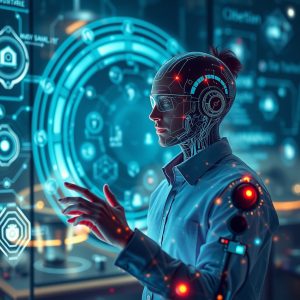
Vision Language Action Models: Bridging AI with Human-Like Perception and Execution
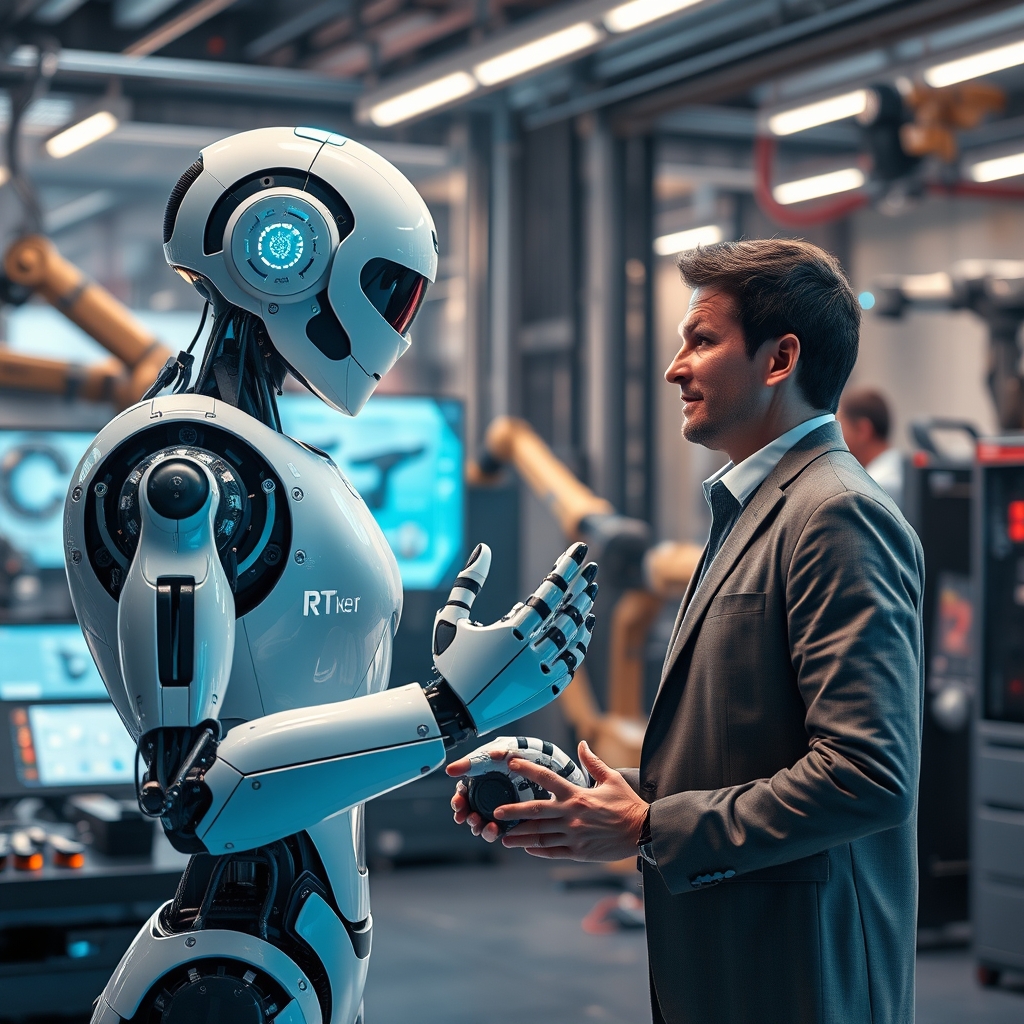
Imagine a world where robots don’t just follow pre-programmed instructions but understand and interact with their surroundings as fluidly as humans do. This vision is rapidly becoming a reality, thanks to Vision Language Action (VLA) models—a groundbreaking fusion of computer vision, natural language processing (NLP), and robotics. These models are redefining the boundaries of artificial intelligence by enabling machines to perceive, reason, and act in ways that were once the stuff of science fiction. At the heart of this revolution lies the ability to bridge the gap between human-like perception and real-world execution, creating systems that are not only intelligent but also intuitive and adaptable.
The Triad of Intelligence: Vision, Language, and Action
VLA models are built on three foundational pillars: computer vision, natural language processing, and robotic control. Each of these components plays a critical role in enabling machines to operate with a level of sophistication that mirrors human cognition.
Computer Vision: The Eyes of the Machine
Computer vision allows machines to interpret and understand visual information from the world around them. Through advanced algorithms and deep learning techniques, VLA models can analyze images, videos, and sensor data to identify objects, recognize patterns, and even infer context. For example, a robot equipped with a VLA model can distinguish between a cup and a bowl on a cluttered table, assess their positions, and determine the best way to interact with them. This capability is not just about recognition; it’s about understanding the spatial and functional relationships between objects, which is essential for tasks that require precision and adaptability.
Natural Language Processing: The Voice of Reason
Natural language processing enables machines to comprehend and generate human language, allowing for seamless communication between humans and robots. VLA models leverage NLP to interpret spoken or written instructions, ask clarifying questions, and even provide feedback in a conversational manner. This is particularly transformative in scenarios where robots need to collaborate with humans in dynamic environments. For instance, a warehouse robot could receive verbal instructions like, “Pick up the red box from the third shelf and place it near the conveyor belt,” and execute the task without requiring any reprogramming. The ability to process language in real-time makes these systems far more versatile and user-friendly than traditional robotic solutions.
Robotic Control: The Hands of Execution
The final pillar, robotic control, is what allows VLA models to translate perception and understanding into physical action. This involves coordinating motor functions, planning movements, and adapting to unforeseen obstacles in real-time. Unlike conventional robots that rely on rigid, pre-defined paths, VLA-equipped systems can adjust their actions based on sensory feedback and environmental changes. For example, a robotic arm in a manufacturing plant could dynamically alter its grip to handle an irregularly shaped object or avoid a collision with a human worker. This level of adaptability is crucial for applications in unstructured environments, where predictability is the exception rather than the rule.
Applications: Where VLA Models Are Making an Impact
The potential applications of VLA models span a wide range of industries, each benefiting from the unique capabilities these systems offer. From healthcare to logistics, VLA models are poised to revolutionize how machines interact with the world and with humans.
Robotics and Autonomous Systems
In the realm of robotics, VLA models are enabling the development of autonomous systems that can operate with minimal human intervention. Self-driving cars, for example, rely on a combination of computer vision and NLP to navigate complex urban environments, interpret traffic signs, and respond to verbal commands from passengers. Similarly, drones equipped with VLA models can perform search-and-rescue missions in disaster zones, identifying survivors and relaying critical information to human responders. These systems are not just tools; they are partners that enhance human capabilities and extend our reach into environments that are too dangerous or inaccessible for people.
Human-Robot Interaction
One of the most exciting frontiers of VLA models is their potential to transform human-robot interaction. In healthcare, robots can assist surgeons by interpreting verbal instructions and performing precise movements during minimally invasive procedures. In homes, assistive robots can help elderly or disabled individuals with daily tasks, such as fetching objects or preparing meals, by understanding and responding to natural language commands. The key to these interactions is the ability of VLA models to process both visual and linguistic cues, creating a more intuitive and responsive experience for users. This not only improves efficiency but also fosters trust and collaboration between humans and machines.
Industrial Automation and Logistics
In industrial settings, VLA models are streamlining operations by enabling robots to perform complex tasks with greater autonomy. Warehouses, for instance, are increasingly deploying robots that can pick, pack, and sort items based on verbal or visual instructions. These systems can adapt to changes in inventory, handle fragile items with care, and even collaborate with human workers to fulfill orders more efficiently. The result is a significant reduction in operational costs and an increase in productivity, as machines take on the repetitive and labor-intensive tasks that have traditionally been the domain of human workers.
Challenges and the Road Ahead
Despite their immense potential, VLA models are not without challenges. One of the primary hurdles is the need for vast amounts of high-quality training data to ensure these systems can generalize across different environments and tasks. Unlike traditional AI models that may excel in narrow domains, VLA models must integrate multiple modalities—vision, language, and action—each of which requires its own dataset. This complexity can lead to issues with scalability and robustness, particularly in real-world scenarios where conditions are unpredictable.
Another challenge lies in the ethical and safety implications of deploying VLA models in human-centric environments. As these systems become more autonomous, questions arise about accountability, privacy, and the potential for misuse. For example, how do we ensure that a robot in a healthcare setting adheres to ethical guidelines when making decisions? How do we protect the privacy of individuals when robots are constantly capturing and processing visual and auditory data? Addressing these concerns will require collaboration between technologists, policymakers, and ethicists to establish frameworks that prioritize safety and transparency.
As research in VLA models continues to advance, we can expect to see even more sophisticated applications emerge. Future iterations of these systems may incorporate emotional intelligence, allowing robots to recognize and respond to human emotions, or advanced predictive capabilities that enable them to anticipate needs before they are explicitly communicated. The integration of VLA models with other cutting-edge technologies, such as augmented reality and the Internet of Things, could further blur the lines between the digital and physical worlds, creating seamless ecosystems where humans and machines coexist and collaborate effortlessly.
The journey toward truly human-like AI is still in its early stages, but VLA models represent a significant leap forward. By combining vision, language, and action into a cohesive framework, these systems are not just enhancing the capabilities of machines—they are redefining what it means for technology to be intelligent. As we stand on the brink of this new era, it’s clear that the fusion of perception and execution will unlock possibilities we are only beginning to imagine, shaping a future where machines are not just tools, but partners in our daily lives.