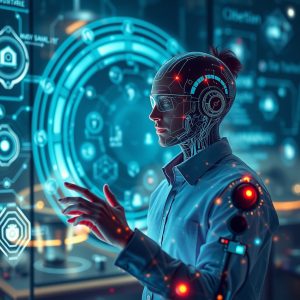
The Art of Anticipation: How Predictive User Experience AI is Crafting the Future of Human-Centric Design
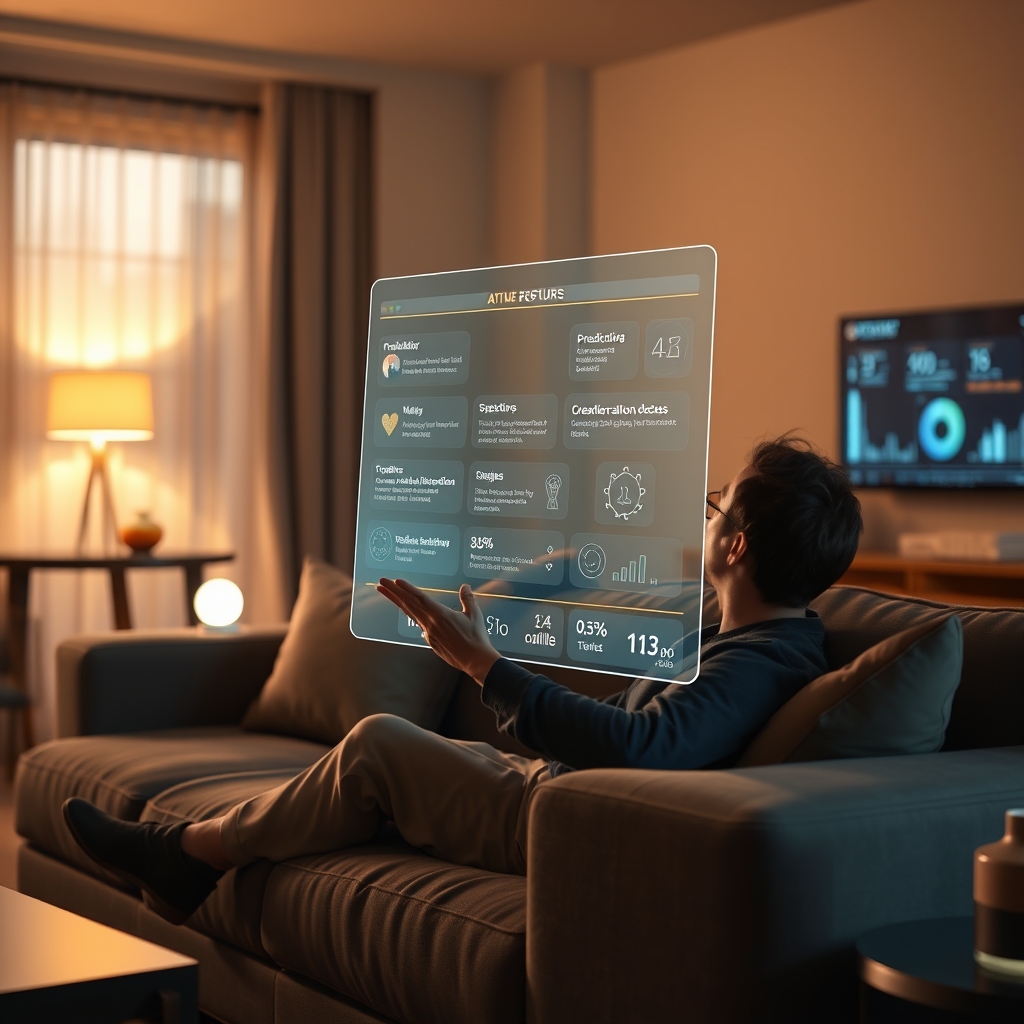
Imagine waking up to a world where your digital interactions feel less like navigating a labyrinth of static interfaces and more like engaging in a fluid, almost telepathic conversation with technology. This is not the stuff of science fiction but the burgeoning reality of Predictive User Experience AI, a paradigm where artificial intelligence doesn’t just respond to human input but anticipates needs, preferences, and even emotional states before they are explicitly expressed. It’s a shift from reactive to proactive, from functional to intuitive, and from generic to deeply personal.
The Evolution of Interaction: From Buttons to Intuition
The journey of human-computer interaction has been one of relentless simplification. From the punch cards of early computing to the graphical user interfaces of the 1980s, each iteration sought to make technology more accessible. The touchscreens of the 21st century further democratized digital interaction, but they still relied on explicit commands—taps, swipes, and voice inputs. Predictive User Experience AI, however, represents a quantum leap. It doesn’t wait for instructions; it learns from behavior, context, and subtle cues to predict what a user might need next.
Consider the way a seasoned barista remembers your usual order or how a close friend finishes your sentences. These are examples of human intuition, a quality that Predictive User Experience AI aims to emulate. By analyzing patterns in user behavior—such as the time of day you check your emails, the types of articles you read, or even the way you pause before making a decision—the AI builds a dynamic model of your preferences. Over time, this model becomes so refined that the system can suggest actions, content, or solutions before you even realize you need them.
The Science Behind the Magic: Adaptive Algorithms and Contextual Awareness
At the heart of Predictive User Experience AI lies a sophisticated blend of adaptive algorithms and context-aware computing. Adaptive algorithms are not static; they evolve in real-time, adjusting their predictions based on new data. For instance, if you typically order a latte on weekday mornings but switch to an espresso on Fridays, the AI notes this pattern and adjusts its suggestions accordingly. Context-aware computing takes this a step further by incorporating external factors such as location, time, weather, or even your calendar events. If you’re running late for a meeting, the AI might suggest a faster route or prioritize your most important emails.
This level of personalization is made possible by the convergence of several technological advancements. Machine learning enables the system to identify patterns in vast datasets, while natural language processing allows it to interpret and respond to human language with increasing nuance. Meanwhile, emotional AI—a subset of affective computing—uses facial recognition, voice tone analysis, and biometric data to gauge your emotional state. If the system detects frustration, it might simplify the interface or offer additional guidance. If it senses excitement, it could suggest related content or features to explore.
The Human Touch: Ethical Considerations and Inclusive Design
As Predictive User Experience AI becomes more pervasive, it raises important ethical questions. How much personalization is too much? Where do we draw the line between helpful anticipation and invasive surveillance? The answers lie in transparent AI decision-making and inclusive design. Users must have visibility into how their data is being used and the ability to control the level of personalization. Moreover, AI systems must be designed with diversity in mind, ensuring they serve people of all ages, abilities, and cultural backgrounds without reinforcing biases or stereotypes.
Inclusive design in Predictive User Experience AI means creating systems that adapt to individual needs rather than forcing users to adapt to the system. For example, an AI-powered navigation app might offer different route suggestions for a wheelchair user compared to a pedestrian or cyclist. Similarly, a predictive learning platform could adjust its content delivery based on a student’s learning style, whether they are visual, auditory, or kinesthetic learners. By prioritizing accessibility and equity, Predictive User Experience AI can become a tool for empowerment rather than exclusion.
The Creative Frontier: AI as a Collaborative Partner
One of the most exciting applications of Predictive User Experience AI is in the realm of creativity. Traditionally, AI has been seen as a tool for automation, but in creative fields, it is evolving into a collaborative partner. AI-assisted creative processes leverage predictive algorithms to suggest ideas, refine concepts, and even generate content. For instance, a songwriter might use an AI tool that analyzes their past work and suggests chord progressions or lyrics that align with their style. A designer could rely on an AI to generate color palettes or layout options based on their previous projects and current trends.
This collaborative dynamic extends beyond the arts. In fields like healthcare, Predictive User Experience AI can assist doctors by analyzing patient data to suggest potential diagnoses or treatment plans. In education, it can help teachers personalize lesson plans based on students’ strengths and weaknesses. The key is to position AI as an enabler rather than a replacement, augmenting human creativity and expertise with data-driven insights.
The Future of Seamless Integration: Living in Harmony with AI
The ultimate goal of Predictive User Experience AI is to create a world where technology fades into the background, becoming an invisible yet indispensable part of our lives. This vision of seamless AI integration is not about creating sentient machines but about designing systems that understand and adapt to human behavior so intuitively that they feel like a natural extension of ourselves. Imagine a smart home that adjusts the lighting, temperature, and even the scent of a room based on your mood and schedule, or a virtual assistant that knows when to offer help and when to stay silent.
Achieving this level of integration requires a delicate balance between innovation and restraint. Developers must resist the temptation to overload users with features, instead focusing on creating experiences that are simple, elegant, and unobtrusive. The best Predictive User Experience AI systems are those that enhance our lives without demanding our constant attention, allowing us to focus on what truly matters—our relationships, our passions, and our personal growth.
As we stand on the precipice of this new era, it’s clear that Predictive User Experience AI is not just a technological advancement but a cultural shift. It challenges us to rethink our relationship with technology, moving from a dynamic of control to one of collaboration. In this future, AI doesn’t just serve us; it understands us, anticipates us, and grows with us, creating a digital landscape that feels less like a tool and more like a trusted companion. The art of anticipation is no longer a human-exclusive trait but a shared journey between man and machine, where the boundaries between the two blur into something beautifully intuitive.