The Silent Revolution: How Agentic AI and Edge Computing Are Redefining Precision Agriculture
In the vast, undulating fields that stretch across the heartlands of the world, a quiet revolution is underway. It is not marked by the clamor of machinery or the shouts of laborers, but by the subtle hum of sensors, the whisper of data streams, and the invisible hand of artificial intelligence. This revolution is precision agriculture—a paradigm shift that promises to redefine how we grow food, manage resources, and sustain our planet. At its core, this transformation is being driven by two powerful forces: Agentic AI and Edge Computing. Together, they are not just changing the game; they are rewriting the rules entirely.
The Rise of Agentic AI: Intelligence That Acts
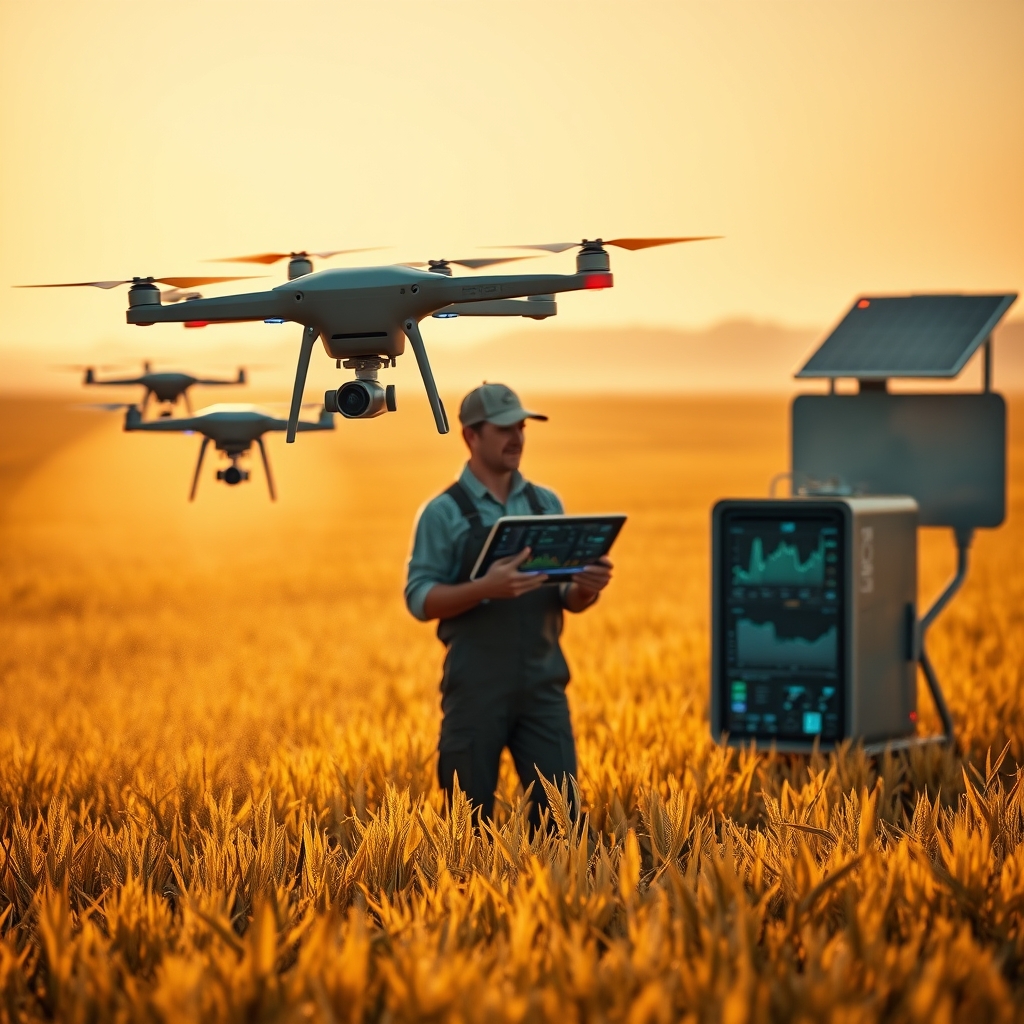
Agentic AI represents a leap beyond traditional artificial intelligence. Unlike conventional AI, which passively analyzes data and provides recommendations, Agentic AI is designed to act autonomously, making real-time decisions and executing tasks without human intervention. Imagine a fleet of drones, not just scanning fields for pests or drought stress, but dynamically adjusting irrigation systems, deploying targeted pesticides, or even replanting crops in areas where yields are suboptimal. This is not science fiction; it is the near future of farming.
The implications of Agentic AI in agriculture are profound. By leveraging advanced algorithms and machine learning models, these systems can optimize every aspect of crop production, from soil health to harvest timing. For instance, an Agentic AI system could analyze weather forecasts, soil moisture levels, and crop growth stages to determine the precise moment to irrigate, ensuring water is used efficiently and sustainably. It could also predict disease outbreaks before they occur, allowing farmers to take preemptive action and reduce crop losses. The result? Higher yields, lower costs, and a significantly reduced environmental footprint.
From Data to Decisions: The Role of Multispectral Imaging
At the heart of Agentic AI’s capabilities lies its ability to process and interpret vast amounts of data. One of the most powerful tools in this arsenal is multispectral imaging, a technology that captures data across multiple wavelengths of light, far beyond what the human eye can see. By analyzing these images, AI systems can detect subtle variations in crop health, identify nutrient deficiencies, and even map the spread of pests or diseases.
For example, multispectral imaging can reveal early signs of stress in plants, such as changes in chlorophyll levels, long before they become visible to the naked eye. An Agentic AI system can then cross-reference this data with historical trends, weather patterns, and soil conditions to diagnose the issue and prescribe a solution. Whether it’s adjusting fertilizer application, modifying irrigation schedules, or deploying biological controls, the system acts with a level of precision that was previously unimaginable. This not only improves crop yields but also minimizes the use of chemicals, reducing both costs and environmental impact.
Edge Computing: Bringing Intelligence to the Field
While Agentic AI provides the brains of this agricultural revolution, Edge Computing supplies the brawn. Traditional cloud computing relies on sending data to remote servers for processing, which can introduce latency and depend on stable internet connectivity—two luxuries that are not always available in rural farming areas. Edge Computing, on the other hand, processes data locally, on devices or small servers situated directly in the field. This reduces latency, enhances reliability, and ensures that critical decisions can be made in real time, even in the most remote locations.
The synergy between Agentic AI and Edge Computing is transformative. Consider a scenario where a network of sensors and drones is deployed across a farm, continuously collecting data on soil moisture, temperature, humidity, and crop health. With Edge Computing, this data is processed on-site, allowing the Agentic AI to make immediate decisions. If a drone detects a patch of crops showing signs of drought stress, the system can instantly trigger an irrigation system to deliver water only to the affected area, conserving resources and preventing waste. This level of responsiveness is only possible when intelligence is brought to the edge of the network, closer to where the action is happening.
The Sustainable Future: Green Hydrogen and Beyond
As precision agriculture evolves, so too does the need for sustainable energy solutions to power these advanced systems. One of the most promising developments in this space is green hydrogen, a clean energy source produced through the electrolysis of water using renewable electricity. Unlike fossil fuels, green hydrogen emits no carbon dioxide when used, making it an ideal candidate for powering the next generation of agricultural machinery and infrastructure.
Imagine a farm where tractors, drones, and irrigation systems are all powered by green hydrogen, eliminating the carbon footprint associated with traditional fuel sources. This not only aligns with global sustainability goals but also reduces operational costs in the long run. Furthermore, green hydrogen can be stored and used to generate electricity during periods of low renewable energy production, ensuring a consistent and reliable power supply for Edge Computing devices and Agentic AI systems. The integration of green hydrogen into precision agriculture represents a critical step toward a fully sustainable food production system.
The Challenges Ahead: Navigating the Path Forward
Despite the immense potential of Agentic AI and Edge Computing in precision agriculture, several challenges must be addressed to realize their full benefits. One of the most significant hurdles is the digital divide. Many farmers, particularly in developing regions, lack access to the high-speed internet and advanced technologies required to implement these systems. Bridging this gap will require concerted efforts from governments, tech companies, and agricultural organizations to provide the necessary infrastructure, training, and support.
Data privacy and security are also critical concerns. As farms become increasingly connected, they become more vulnerable to cyber threats. Protecting sensitive data, such as crop yields, soil health records, and farm management practices, will be paramount. Solutions like quantum cryptography and decentralized identity systems could play a key role in safeguarding agricultural data, ensuring that farmers retain control over their information while still benefiting from the insights provided by AI.
Another challenge lies in the ethical implications of autonomous systems. As Agentic AI takes on more decision-making responsibilities, questions arise about accountability and transparency. Who is responsible if an AI system makes a mistake that results in crop loss or environmental damage? How can farmers trust that these systems are making decisions in their best interest? Addressing these questions will require robust regulatory frameworks, ethical guidelines, and ongoing dialogue between technologists, farmers, and policymakers.
The fusion of Agentic AI and Edge Computing is not just transforming agriculture; it is reimagining what it means to farm in the 21st century. By harnessing the power of real-time data, autonomous decision-making, and sustainable energy, we are moving toward a future where food production is more efficient, resilient, and environmentally friendly than ever before. The fields of tomorrow will not be tilled by hands alone, but by the invisible yet indomitable force of intelligence—both artificial and human—working in harmony to nourish a growing world. As we stand on the brink of this new era, one thing is clear: the future of farming is not just about growing crops; it is about cultivating a smarter, more sustainable planet.