
The Hydrogen Horizon: How Green Hydrogen and Plasma Gasification Are Crafting a Zero-Waste Energy Ecosystem
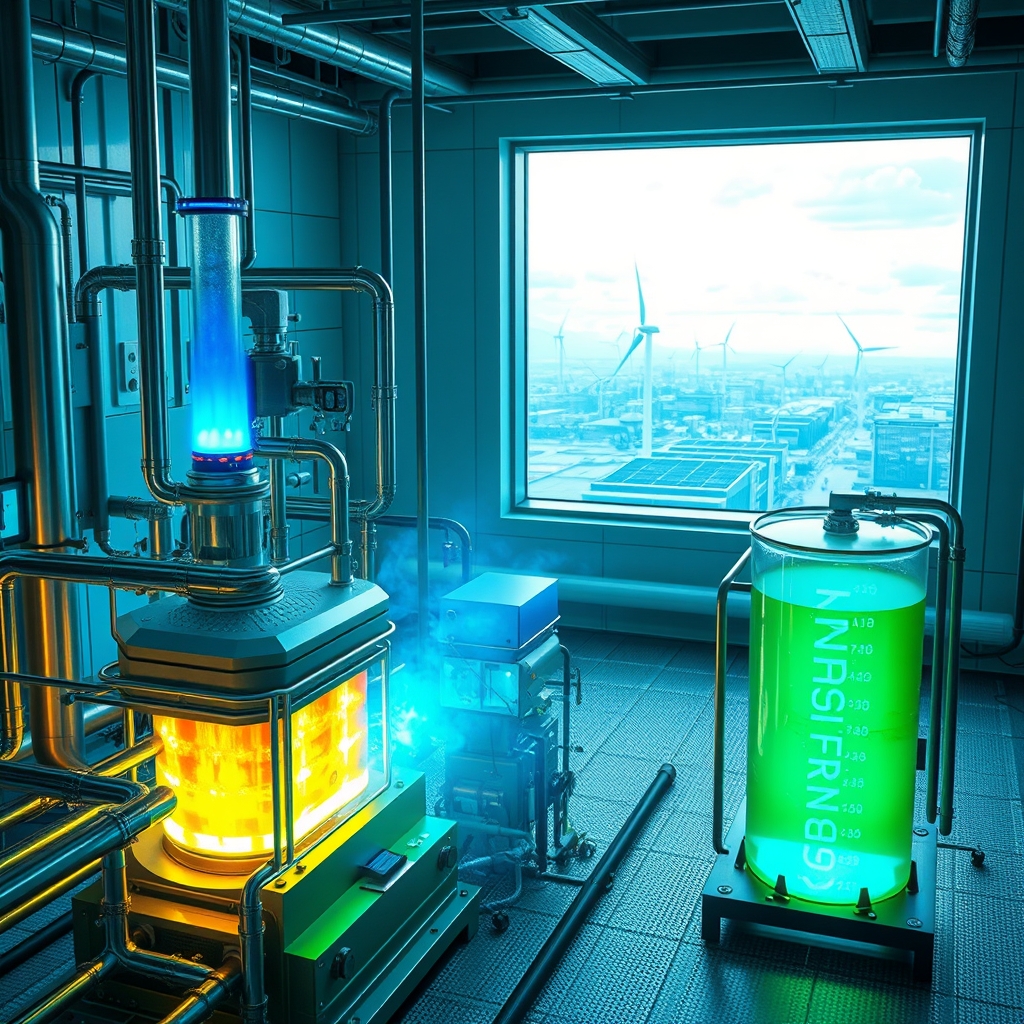
In the quiet hum of a laboratory, where the air is thick with the scent of innovation, a transformation is unfolding—one that promises to redefine the very essence of energy. Here, at the intersection of chemistry and engineering, green hydrogen and plasma gasification are converging to create a symphony of sustainability, where waste is not an endpoint but a beginning. This is not merely an evolution of energy; it is a revolution, a bold step toward a future where every molecule is harnessed, every resource optimized, and every byproduct repurposed.
The Alchemy of Green Hydrogen
Green hydrogen, often hailed as the fuel of the future, is born from the marriage of water and renewable energy. Unlike its gray or blue counterparts, which rely on fossil fuels or carbon capture, green hydrogen is produced through electrolysis—a process where electricity, ideally sourced from wind, solar, or hydro power, splits water into hydrogen and oxygen. The result is a clean, versatile fuel that emits nothing but water vapor when used, making it a cornerstone of decarbonization efforts across industries.
Yet, the true magic of green hydrogen lies not just in its production but in its potential to integrate seamlessly into existing energy infrastructures. From powering fuel cells in electric vehicles to serving as a feedstock for ammonia production, green hydrogen is a chameleon of energy, adapting to the needs of a world hungry for sustainable solutions. But its journey is far from solitary. To unlock its full potential, green hydrogen must dance with another groundbreaking technology: plasma gasification.
The Fire of Plasma Gasification
Plasma gasification is a process that feels almost otherworldly in its ambition. At its core, it involves subjecting waste materials—whether municipal solid waste, agricultural residues, or even hazardous byproducts—to extreme temperatures, often exceeding 5,000 degrees Celsius. This intense heat, generated by plasma torches, breaks down waste into its molecular components, transforming it into a synthesis gas, or syngas, composed primarily of hydrogen and carbon monoxide. Unlike traditional incineration, plasma gasification does not produce harmful emissions like dioxins or furans, making it a cleaner, more efficient alternative for waste management.
The syngas produced through plasma gasification is a treasure trove of potential. It can be refined into hydrogen, which can then be fed into the same green hydrogen ecosystem, creating a closed-loop system where waste is not merely disposed of but reborn as energy. This synergy between plasma gasification and green hydrogen is where the true promise of a zero-waste energy ecosystem begins to take shape.
The Symbiosis of Sustainability
Imagine a world where landfills are relics of the past, where waste is not a burden but a resource. In this vision, plasma gasification plants dot the landscape, silently converting mountains of refuse into syngas, which is then purified into hydrogen. This hydrogen, in turn, fuels industries, powers vehicles, and even stores excess renewable energy, acting as a buffer against the intermittency of wind and solar power. The oxygen byproduct from electrolysis could be captured and used in industrial processes or even sold as a commodity, further enhancing the economic viability of the system.
This is not a distant dream but a tangible reality taking shape in pilot projects and research facilities around the globe. In Japan, for instance, plasma gasification plants are already operational, converting municipal waste into energy while drastically reducing landfill usage. Meanwhile, in Europe, green hydrogen projects are scaling up, with countries like Germany and the Netherlands investing heavily in electrolysis infrastructure. The convergence of these technologies is not just a technical possibility but an economic imperative, as nations race to meet ambitious climate targets.
Challenges on the Path to Zero Waste
Yet, the road to a zero-waste energy ecosystem is not without its obstacles. Plasma gasification, while promising, requires significant energy input to maintain the high temperatures needed for the process. This energy must come from renewable sources to ensure the system remains truly sustainable. Additionally, the capital costs of building plasma gasification plants are substantial, posing a barrier to widespread adoption. Similarly, green hydrogen faces challenges in scaling up production, as electrolysis technology is still relatively expensive compared to traditional hydrogen production methods.
However, these challenges are not insurmountable. Advances in materials science are driving down the costs of electrolysis, while innovations in plasma torch design are improving the efficiency of gasification. Governments and private investors are also stepping up, recognizing the long-term benefits of a circular economy where waste is eliminated and energy is abundant. The key lies in fostering collaboration between industries, researchers, and policymakers to create an ecosystem where these technologies can thrive.
The Ripple Effect of a Zero-Waste Future
The implications of a zero-waste energy ecosystem extend far beyond the confines of laboratories and pilot plants. In agriculture, for example, plasma gasification could convert crop residues into syngas, which could then be used to produce green hydrogen for powering farm equipment. This would not only reduce agricultural waste but also lower the carbon footprint of food production. In urban settings, plasma gasification plants could transform municipal waste into energy, reducing landfill usage and cutting greenhouse gas emissions. Meanwhile, green hydrogen could replace fossil fuels in public transportation, further decarbonizing cities.
Moreover, the integration of green hydrogen and plasma gasification could catalyze the development of new industries and job opportunities. From the construction of gasification plants to the maintenance of hydrogen fueling stations, the shift toward a zero-waste economy could create millions of jobs worldwide. It could also spur innovation in related fields, such as battery storage, carbon capture, and renewable energy generation, as the demand for clean, reliable power grows.
As the sun sets over a landscape dotted with wind turbines and solar panels, the vision of a zero-waste energy ecosystem feels closer than ever. The technologies are here, the momentum is building, and the stakes could not be higher. The choices we make today will determine whether we leave future generations a world burdened by waste and pollution or one where energy is abundant, clean, and endlessly renewable. In the quiet hum of that laboratory, where green hydrogen and plasma gasification are rewriting the rules of energy, the future is not just being imagined—it is being forged, one molecule at a time.