The Pulse of Progress: How Plasma Gasification and Smart Dust Are Redefining Waste and Data
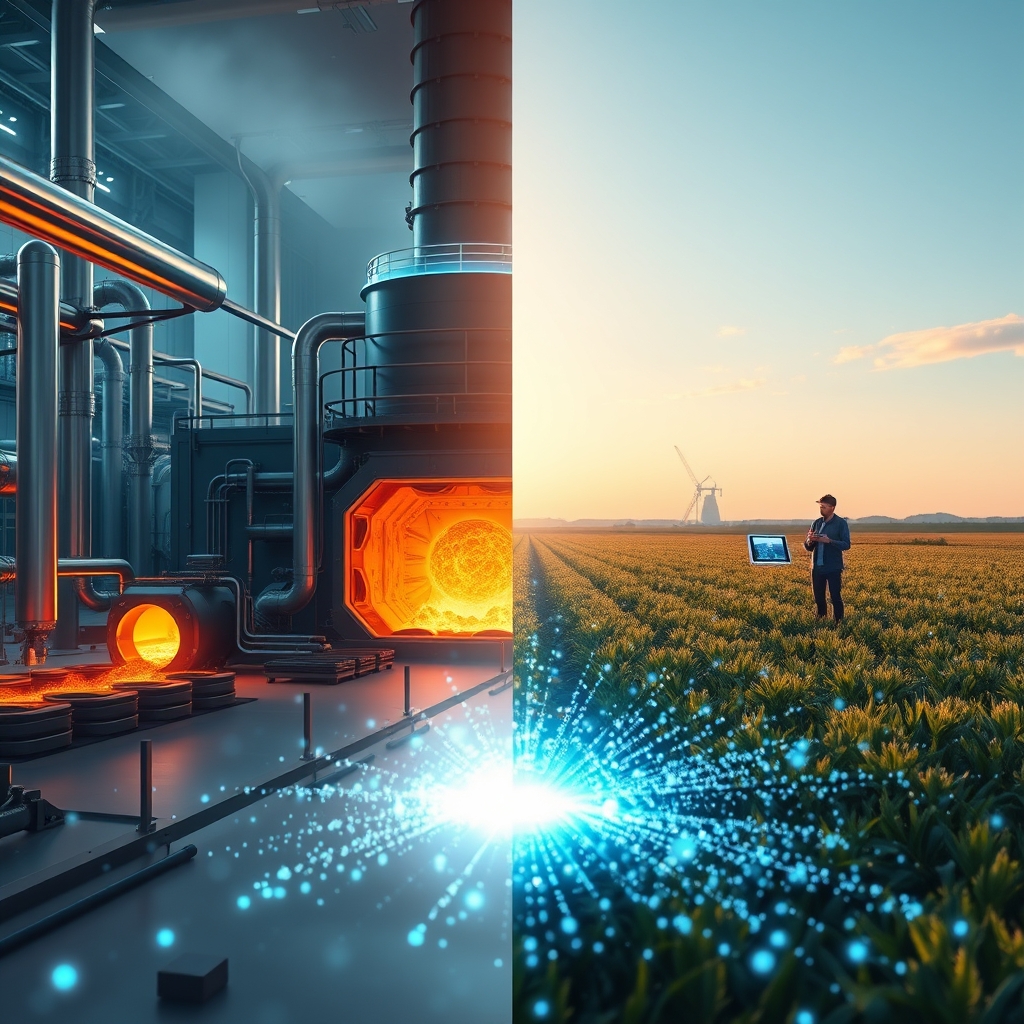
The air hums with the quiet intensity of a facility that doesn’t just process waste—it transforms it. Inside the cavernous chamber, a river of discarded materials—plastics, organic waste, even hazardous residues—flows into a searing plasma arc, where temperatures exceed 10,000 degrees Celsius. Here, in the heart of a plasma gasification plant, molecules are not merely broken down; they are reborn. Carbon chains fracture into synthesis gas, metals liquefy into recoverable alloys, and what was once refuse becomes a stream of energy and raw materials, ready to fuel the next cycle of innovation. This is not waste management as we know it. This is alchemy for the modern age, a process that turns the detritus of human activity into the building blocks of a sustainable future.
The Science of Fire: Plasma Gasification Unveiled
Plasma gasification is a marvel of thermodynamic precision. Unlike traditional incineration, which relies on combustion and often produces harmful emissions, plasma gasification operates in an oxygen-starved environment, using electrically charged gas—plasma—to break down waste at the molecular level. The process begins with the generation of plasma torches, which create an ionized gas capable of reaching temperatures hotter than the surface of the sun. When waste is introduced into this environment, the extreme heat dissociates chemical bonds, converting organic materials into syngas (a mixture of hydrogen and carbon monoxide) and reducing inorganic materials to a molten slag.
The syngas produced can be cleaned and used to generate electricity or converted into liquid fuels, while the slag can be solidified into inert, non-toxic materials suitable for construction or road paving. What sets plasma gasification apart is its ability to handle almost any type of waste, from municipal solid waste to medical and industrial hazardous materials, without the need for pre-sorting. This versatility makes it a game-changer in the quest for zero-waste economies, offering a solution that is as elegant as it is efficient.
The Environmental Equation: A Closed Loop of Sustainability
At a time when landfills are reaching capacity and the environmental cost of waste is becoming impossible to ignore, plasma gasification presents a compelling alternative. Traditional waste-to-energy plants often face criticism for their emissions, but plasma gasification’s high temperatures and controlled environment minimize the formation of dioxins, furans, and other pollutants. Moreover, the process captures and recycles byproducts that would otherwise contribute to pollution, creating a closed-loop system that aligns with the principles of a circular economy.
Consider the implications for urban centers, where waste management is a logistical and environmental challenge. Cities like Tokyo and Ottawa have already begun integrating plasma gasification into their waste management strategies, reducing landfill dependence and generating clean energy in the process. In regions where waste is a growing crisis, this technology offers a lifeline, turning a problem into an opportunity. It’s not just about disposing of waste; it’s about reimagining it as a resource, a shift in perspective that could redefine our relationship with consumption and sustainability.
The Invisible Network: Smart Dust and the Future of Data
While plasma gasification redefines waste, another technological frontier is quietly reshaping the way we collect and interpret data. Imagine a world where the air itself is alive with information, where microscopic sensors—no larger than a grain of sand—drift on the breeze, monitoring everything from air quality to structural integrity in real time. This is the promise of smart dust, a network of tiny, wireless sensors that could revolutionize industries from agriculture to healthcare, environmental monitoring to infrastructure management.
Smart dust systems consist of millimeter-scale motes, each equipped with sensors, a power source (often a tiny battery or energy-harvesting mechanism), a microprocessor, and a communication device. These motes can be deployed in vast numbers, creating a distributed network capable of gathering data at an unprecedented scale and resolution. For example, in precision agriculture, smart dust could monitor soil moisture, nutrient levels, and crop health across an entire field, providing farmers with real-time insights to optimize irrigation and fertilization. In urban environments, these sensors could track air pollution, traffic patterns, or even the structural health of bridges and buildings, enabling proactive maintenance and reducing the risk of catastrophic failures.
The Challenges of a Microscopic Revolution
Despite its potential, smart dust is not without its challenges. Powering these tiny devices is a significant hurdle, as traditional batteries are too bulky and have limited lifespans. Researchers are exploring alternative power sources, such as energy harvesting from vibrations, light, or radio waves, to keep the motes operational for extended periods. Another challenge is data management; with millions of sensors generating vast amounts of information, processing and analyzing this data in real time requires advanced edge computing and machine learning algorithms.
Security is also a critical concern. Smart dust networks could be vulnerable to hacking or interference, raising questions about data privacy and the potential for misuse. Ensuring the integrity and security of these systems will be paramount as they become more widespread. Yet, despite these challenges, the potential benefits of smart dust are too significant to ignore. As the technology matures, it could enable a level of environmental and operational awareness that was previously unimaginable, transforming industries and improving quality of life in ways we are only beginning to understand.
The Convergence: Where Waste Meets Wisdom
At first glance, plasma gasification and smart dust may seem like disparate technologies, one addressing the physical challenge of waste and the other the digital frontier of data. Yet, they share a common thread: both are tools of transformation, capable of turning the overlooked and undervalued into sources of insight and innovation. Plasma gasification takes what we discard and reimagines it as energy and raw materials, while smart dust takes the invisible patterns of our world and makes them visible, actionable, and meaningful.
Together, these technologies hint at a future where sustainability and intelligence are not just goals but intrinsic qualities of our systems. A future where waste is not an endpoint but a beginning, and where data is not just collected but woven into the fabric of decision-making. The pulse of progress is not a single beat but a symphony of innovations, each playing its part in a larger movement toward a world that is cleaner, smarter, and more resilient. The question is no longer whether these technologies will shape our future, but how quickly we can harness their potential to create a world that thrives on both efficiency and wisdom.