
The Alchemy of Energy: How Green Hydrogen and Biogas Electrolysis Are Forging a Sustainable Future
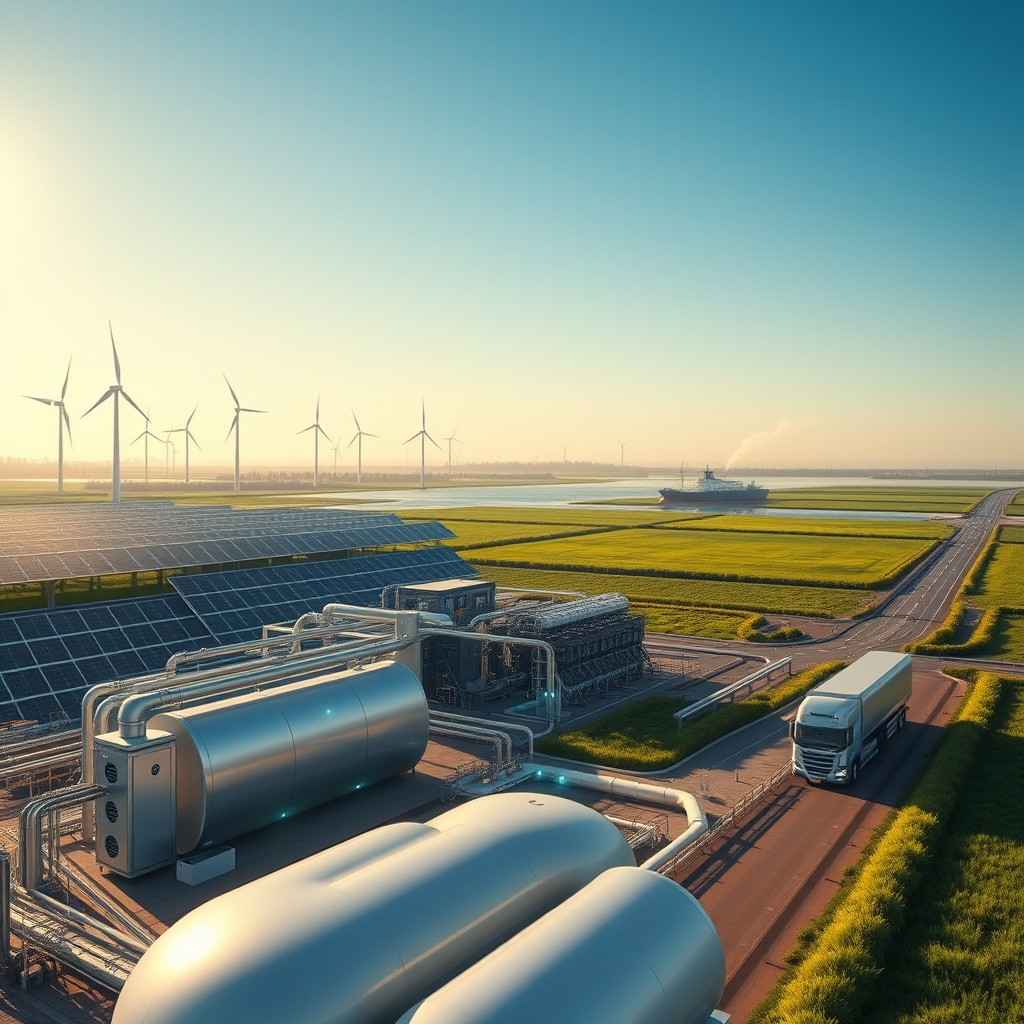
The air hums with the quiet promise of transformation, a whisper of change carried on the wind from the vast, sun-drenched fields where solar panels stretch like metallic crops toward the horizon. Here, in the heart of innovation, energy is no longer merely consumed—it is alchemized. The once-firm boundaries between waste and wealth, between pollution and potential, are dissolving, giving rise to a new era where the very molecules that once choked our skies are now being harnessed to power our future. At the forefront of this revolution stand two unlikely allies: green hydrogen and biogas electrolysis, twin pillars of a sustainable energy paradigm that promises to redefine how we fuel our world.
The Birth of Green Hydrogen: A Clean Energy Marvel
Green hydrogen is not just another buzzword in the lexicon of sustainability; it is a beacon of hope in a world grappling with the consequences of fossil fuel dependence. Unlike its gray or blue counterparts, which rely on natural gas and carbon capture technologies, green hydrogen is produced through a process as elegant as it is revolutionary: electrolysis. By splitting water into hydrogen and oxygen using electricity derived from renewable sources—solar, wind, or hydro—green hydrogen emerges as a zero-emission fuel, its only byproduct the very air we breathe.
The implications of this process are profound. Green hydrogen has the potential to decarbonize industries that have long been considered too energy-intensive to transition away from fossil fuels. Steel production, long-haul shipping, aviation, and heavy-duty transport—sectors that together account for nearly a quarter of global carbon emissions—could be transformed by the adoption of green hydrogen. Imagine a cargo ship crossing the ocean, its engines powered not by diesel but by hydrogen fuel cells, leaving behind a wake of water vapor instead of carbon dioxide. Or a steel mill, its furnaces glowing with the heat of hydrogen combustion, producing metal without the burden of greenhouse gases. This is not a distant dream but an emerging reality, with pilot projects and large-scale facilities already taking shape across Europe, Asia, and the Americas.
Biogas Electrolysis: Turning Waste into Wealth
If green hydrogen represents the future of clean energy, biogas electrolysis is the alchemy that turns waste into gold. Biogas, a byproduct of organic matter decomposition in landfills, wastewater treatment plants, and agricultural operations, has long been viewed as a low-value resource, often flared off or left to dissipate into the atmosphere. Yet, within this seemingly insignificant gas lies a treasure trove of potential. Composed primarily of methane and carbon dioxide, biogas can be upgraded and refined into biomethane, a renewable natural gas that can be injected into existing pipelines or used as a vehicle fuel. But the true magic happens when biogas meets electrolysis.
Through a process known as biogas electrolysis, the methane in biogas is split into hydrogen and carbon, using renewable electricity. The hydrogen can then be purified and used as a clean fuel, while the carbon can be captured and repurposed for industrial applications, such as the production of carbon fiber or even synthetic diamonds. This closed-loop system not only eliminates the emissions associated with traditional biogas combustion but also creates a circular economy where waste is continuously transformed into valuable resources. In rural communities, where agricultural waste is abundant, biogas electrolysis plants are emerging as hubs of innovation, turning manure and crop residues into a source of revenue and energy independence.
The Synergy of Green Hydrogen and Biogas Electrolysis
The true power of green hydrogen and biogas electrolysis lies not in their individual capabilities but in their synergy. Together, they form a dynamic duo capable of addressing some of the most pressing challenges in the transition to sustainable energy. Green hydrogen provides a clean, scalable fuel for industries that are difficult to electrify, while biogas electrolysis offers a way to valorize waste streams, reducing methane emissions—a potent greenhouse gas—and creating additional sources of renewable hydrogen. This complementary relationship is already being leveraged in projects around the world, where excess renewable energy from wind and solar farms is used to power electrolysis, producing green hydrogen that can be stored and transported for later use.
One such example is the HYBRIT initiative in Sweden, a collaboration between steelmaker SSAB, mining company LKAB, and energy firm Vattenfall. The project aims to replace coal with green hydrogen in steel production, eliminating carbon emissions from one of the world’s most polluting industries. Meanwhile, in Denmark, the GreenLab Skive facility is integrating biogas electrolysis with wind and solar power to create a fully circular energy system, where waste from local agriculture is converted into hydrogen and other valuable products. These projects are not just proof of concept; they are blueprints for a future where energy is abundant, clean, and accessible to all.
Overcoming the Challenges: The Road Ahead
Despite their immense potential, green hydrogen and biogas electrolysis are not without their challenges. The electrolysis process, while elegant, is energy-intensive, requiring large amounts of renewable electricity to be economically viable. This means that the expansion of green hydrogen production is closely tied to the growth of wind, solar, and other renewable energy sources. Additionally, the infrastructure for storing and transporting hydrogen is still in its infancy, with many regions lacking the pipelines, storage tanks, and fueling stations needed to support widespread adoption. Biogas electrolysis, while promising, also faces hurdles, including the need for efficient methane separation technologies and the economic viability of small-scale operations.
Yet, these challenges are not insurmountable. Advances in electrolysis technology, such as the development of proton exchange membrane (PEM) and solid oxide electrolysis cells (SOEC), are improving efficiency and reducing costs. Meanwhile, governments and private investors are pouring billions into hydrogen infrastructure, recognizing its potential to drive economic growth and reduce emissions. In the European Union, the Hydrogen Strategy aims to install 40 gigawatts of renewable hydrogen electrolyzers by 2030, while the U.S. Department of Energy’s Hydrogen Shot initiative seeks to reduce the cost of clean hydrogen to $1 per kilogram within the decade. These efforts are not just about meeting climate targets; they are about reshaping the global energy landscape.
The Role of Policy and Innovation
The transition to a hydrogen-based economy will require more than just technological innovation; it will demand bold policy decisions and cross-sector collaboration. Governments must create regulatory frameworks that incentivize the production and use of green hydrogen, while also investing in research and development to drive down costs. Carbon pricing, subsidies for renewable energy, and tax incentives for hydrogen infrastructure can all play a role in accelerating the adoption of these technologies. At the same time, industries must embrace hydrogen as a key component of their decarbonization strategies, investing in new equipment, supply chains, and workforce training to support the shift.
Innovation will also be critical in overcoming the technical and economic barriers to green hydrogen and biogas electrolysis. Breakthroughs in materials science, such as the development of more durable and efficient catalysts for electrolysis, could significantly reduce costs and improve performance. Similarly, advances in carbon capture and utilization technologies could enhance the viability of biogas electrolysis, making it a more attractive option for waste management and energy production. The integration of artificial intelligence and machine learning into energy systems could further optimize the production, storage, and distribution of hydrogen, ensuring that supply meets demand in real time.
As the sun sets over the fields of solar panels and the wind turbines stand tall against the horizon, it is clear that we are witnessing the dawn of a new energy era. Green hydrogen and biogas electrolysis are not just technologies; they are the building blocks of a sustainable future, where energy is clean, abundant, and accessible to all. The alchemy of turning waste into wealth, of transforming sunlight and wind into fuel, is no longer the stuff of science fiction but a tangible reality unfolding before our eyes. The question is no longer whether this future is possible, but how quickly we can make it a reality—and the answer lies in our willingness to embrace change, to invest in innovation, and to believe in the power of human ingenuity to shape a better world.