The Green Circuit: How Neuromorphic Chips and Smart Dust Are Electrifying Sustainable Energy
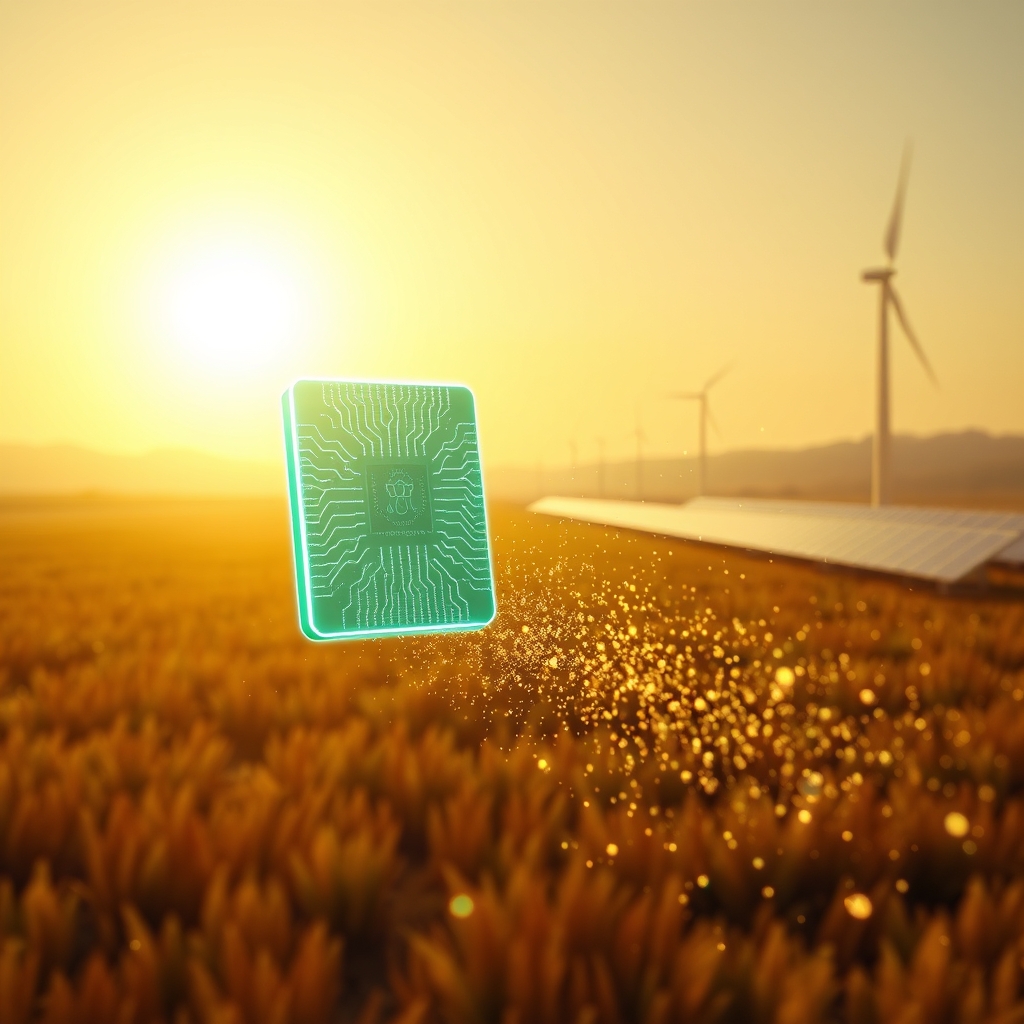
The hum of progress is no longer just the sound of machinery—it’s the quiet pulse of innovation weaving through the very fabric of sustainable energy. At the heart of this transformation lies a convergence of two groundbreaking technologies: neuromorphic chips and smart dust. Together, they are not just optimizing energy systems but reimagining how we generate, distribute, and consume power in a world hungry for sustainability.
The Brain of the Operation: Neuromorphic Chips
Neuromorphic chips, inspired by the human brain’s neural architecture, are revolutionizing the way machines process information. Unlike traditional processors that rely on binary logic, these chips mimic the brain’s ability to learn, adapt, and make decisions in real time. Their low power consumption and high efficiency make them ideal for applications where energy conservation is paramount. In the realm of sustainable energy, neuromorphic chips are becoming the silent orchestrators of smarter grids, predictive maintenance, and adaptive energy distribution.
Imagine a power grid that doesn’t just respond to demand but anticipates it. Neuromorphic chips embedded in energy management systems can analyze vast datasets—from weather patterns to consumer behavior—to optimize energy flow dynamically. They can detect anomalies in real time, rerouting power to prevent outages or integrating renewable sources seamlessly. This isn’t just efficiency; it’s a paradigm shift in how we think about energy intelligence.
The Invisible Network: Smart Dust
If neuromorphic chips are the brain, smart dust is the nervous system. These microscopic sensors, often no larger than a grain of sand, are capable of monitoring everything from temperature and humidity to structural integrity and energy consumption. Deployed in vast networks, they create an invisible web of data that provides unprecedented visibility into the health and performance of energy infrastructure.
In precision agriculture, smart dust has already begun to transform how farmers manage resources. Sensors scattered across fields monitor soil moisture, nutrient levels, and crop health, enabling targeted irrigation and fertilization. But their potential extends far beyond the fields. In sustainable energy, smart dust can be deployed across solar farms, wind turbines, and even urban energy grids to provide real-time feedback on performance. They can detect inefficiencies, predict equipment failures, and optimize energy output—all while consuming minimal power themselves.
The Synergy of Brain and Dust
The true magic happens when neuromorphic chips and smart dust converge. Smart dust collects the data, and neuromorphic chips process it with unparalleled speed and efficiency. This synergy enables energy systems to operate with a level of precision previously unimaginable. For example, a wind farm equipped with smart dust sensors can detect subtle changes in wind patterns or turbine performance. Neuromorphic chips then analyze this data in real time, adjusting the angle of the blades or redistributing energy loads to maximize output and minimize waste.
In urban environments, this combination could revolutionize how cities manage energy. Smart dust embedded in streetlights, buildings, and public infrastructure could monitor energy usage patterns, while neuromorphic chips optimize lighting, heating, and cooling systems to reduce consumption. The result? Cities that breathe with the rhythm of efficiency, where energy is not just consumed but cultivated.
The Green Hydrogen Connection
One of the most promising applications of this technological duo lies in the production and distribution of green hydrogen. As the world seeks alternatives to fossil fuels, green hydrogen—produced through electrolysis powered by renewable energy—has emerged as a frontrunner. However, its efficiency and scalability depend on precise control over the electrolysis process. Smart dust can monitor the chemical reactions, temperature, and pressure within electrolysis systems, while neuromorphic chips adjust parameters in real time to maximize hydrogen output and minimize energy waste.
This level of control could make green hydrogen a viable solution for industries ranging from transportation to manufacturing. Imagine a future where hydrogen-powered vehicles refuel at stations monitored by smart dust, ensuring optimal performance and safety, while neuromorphic chips manage the entire energy ecosystem with flawless precision.
The Road Ahead: Challenges and Opportunities
Despite their promise, neuromorphic chips and smart dust are not without challenges. Scaling smart dust networks requires advances in miniaturization, energy efficiency, and wireless communication. Neuromorphic chips, while powerful, are still in the early stages of commercialization, with researchers working to enhance their learning capabilities and integration with existing systems. Privacy and security are also critical concerns, as the vast amounts of data collected by smart dust networks could become targets for cyber threats.
Yet, the opportunities far outweigh the obstacles. As these technologies mature, they will unlock new frontiers in sustainable energy. From decentralized microgrids to self-healing energy networks, the possibilities are as vast as they are exciting. The key lies in collaboration—between researchers, industries, and policymakers—to ensure these innovations are deployed responsibly and equitably.
The future of sustainable energy is not just about harnessing the power of the sun, wind, or water. It’s about harnessing the power of intelligence—both artificial and collective. Neuromorphic chips and smart dust are the building blocks of this future, weaving a tapestry of efficiency, resilience, and sustainability. As we stand on the brink of this new era, one thing is clear: the green circuit is not just a pathway to energy innovation; it’s a blueprint for a smarter, cleaner world.