How Generative AI is Redefining Enterprise Software in the Cloud Era

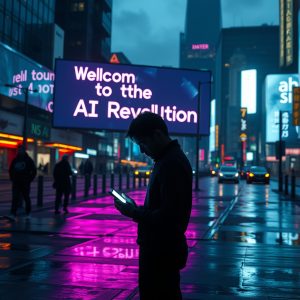
Enterprise software has long been the backbone of modern businesses, enabling efficiency, scalability, and collaboration. However, the rapid evolution of Artificial Intelligence (AI), particularly Generative AI, is transforming how organizations approach Software as a Service (SaaS), cloud computing, and digital transformation. No longer just a tool for automation, AI is now a strategic partner in innovation, reshaping workflows, decision-making, and customer engagement.
The Rise of AI-Powered SaaS Solutions
Traditional enterprise software was often rigid, requiring extensive customization and manual intervention. Today, AI-driven SaaS platforms are breaking these barriers by offering adaptive, self-learning systems. Tools like Customer Relationship Management (CRM) systems now leverage machine learning to predict customer behavior, personalize interactions, and automate routine tasks. For instance, AI can analyze past sales data to recommend the best time to contact a lead or suggest upsell opportunities, significantly improving conversion rates.
Moreover, AI-enhanced project management software is revolutionizing team productivity. Platforms like Asana and Monday.com now integrate AI to optimize task allocation, predict project timelines, and even generate progress reports. This shift from static to dynamic software is enabling businesses to operate with unprecedented agility, reducing operational bottlenecks and accelerating digital transformation.
Cloud Computing as the Catalyst for AI Adoption
The synergy between cloud computing and AI is undeniable. Cloud infrastructure provides the computational power and scalability required to train and deploy AI models at scale. Enterprises no longer need to invest in expensive on-premise hardware; instead, they can leverage cloud-based AI services from providers like AWS, Google Cloud, and Microsoft Azure. These platforms offer pre-built AI models for tasks such as natural language processing, image recognition, and predictive analytics, democratizing access to cutting-edge technology.
For example, a retail company can use cloud-based AI to analyze customer purchase patterns in real-time, adjusting inventory and marketing strategies dynamically. Similarly, healthcare providers are employing AI-driven cloud solutions to process medical imaging data, improving diagnostic accuracy and patient outcomes. The cloud is not just a storage solution; it is the engine powering the next wave of AI innovation.
Enhancing Cybersecurity with AI-Driven Solutions
As businesses embrace digital transformation, cybersecurity has become a top priority. Traditional security measures, while essential, are often reactive and struggle to keep pace with sophisticated cyber threats. AI is changing this paradigm by enabling proactive, adaptive security solutions. Machine learning algorithms can detect anomalies in network traffic, identify potential breaches, and respond in real-time, reducing the risk of data loss or downtime.
AI-powered cybersecurity solutions are also enhancing threat intelligence. By analyzing vast datasets of historical attacks, AI can predict and prevent future threats before they materialize. For instance, tools like Darktrace use AI to monitor network behavior, flagging unusual activity that could indicate a breach. This level of automation and intelligence is critical in an era where cyber threats are becoming more frequent and complex.
The Role of Automation in Streamlining Workflows
Automation has been a buzzword in enterprise software for years, but AI is taking it to new heights. Workflow automation tools are now capable of handling complex, multi-step processes that previously required human intervention. For example, AI can automate invoice processing by extracting data from documents, validating it against purchase orders, and even initiating payments—all without manual input.
This shift is particularly impactful for industries like finance, healthcare, and logistics, where repetitive tasks consume valuable time and resources. By automating these processes, businesses can reduce errors, improve efficiency, and free up employees to focus on higher-value activities. The result is a more agile, responsive organization that can adapt quickly to changing market conditions.
Data Analytics and Predictive Insights
Data is the lifeblood of modern enterprises, but raw data alone is not enough. Businesses need actionable insights to drive decision-making, and this is where data analytics and predictive analytics come into play. AI is transforming how organizations analyze data, enabling them to uncover patterns, predict trends, and make data-driven decisions with confidence.
For example, AI-powered analytics platforms can process vast amounts of customer data to identify emerging trends, such as shifts in purchasing behavior or preferences. Retailers can use these insights to tailor marketing campaigns, optimize pricing strategies, and improve customer experiences. Similarly, manufacturers can leverage predictive analytics to anticipate equipment failures, reducing downtime and maintenance costs.
Generative AI is also playing a role in data analytics by creating synthetic datasets for training machine learning models. This is particularly useful in industries like healthcare, where access to real-world data is often limited due to privacy concerns. By generating realistic, anonymized data, AI enables organizations to train models without compromising sensitive information.
The Future of Remote Work Tools
The rise of remote work has accelerated the demand for tools that enable collaboration, communication, and productivity from anywhere. AI is enhancing these tools by making them more intuitive, personalized, and efficient. For example, AI-powered virtual assistants can schedule meetings, transcribe conversations, and even generate summaries of discussions, saving employees valuable time.
Video conferencing platforms like Zoom and Microsoft Teams are integrating AI to improve audio and video quality, reduce background noise, and even translate conversations in real-time. These advancements are making remote work more seamless and inclusive, bridging the gap between in-office and distributed teams. As remote work becomes a permanent fixture in the modern workplace, AI will continue to play a pivotal role in shaping the future of collaboration.
The integration of AI into enterprise software is not just a trend—it is a fundamental shift in how businesses operate. From automating workflows to enhancing cybersecurity and enabling predictive analytics, AI is empowering organizations to innovate faster, make smarter decisions, and deliver superior customer experiences. As cloud computing continues to evolve, the possibilities for AI-driven transformation are limitless. Businesses that embrace this change will not only stay ahead of the competition but also redefine what is possible in the digital age. The future of enterprise software is here, and it is intelligent, adaptive, and relentlessly innovative.