The Algorithmic Symphony: How AI is Orchestrating the Future of Warfare and Healthcare
We stand at the precipice of a profound transformation, a digital renaissance where the very fabric of conflict and care is being rewoven by the invisible threads of Artificial Intelligence. Once the realm of science fiction, AI is now a tangible force, its tendrils reaching into the most critical sectors of human endeavor, from the battlefield to the bedside. This isn’t merely about faster processors or more sophisticated algorithms; it’s about a fundamental shift in how we perceive and execute complex operations, a move towards an era of unparalleled autonomy and precision.
The Dawn of Autonomous Warfare
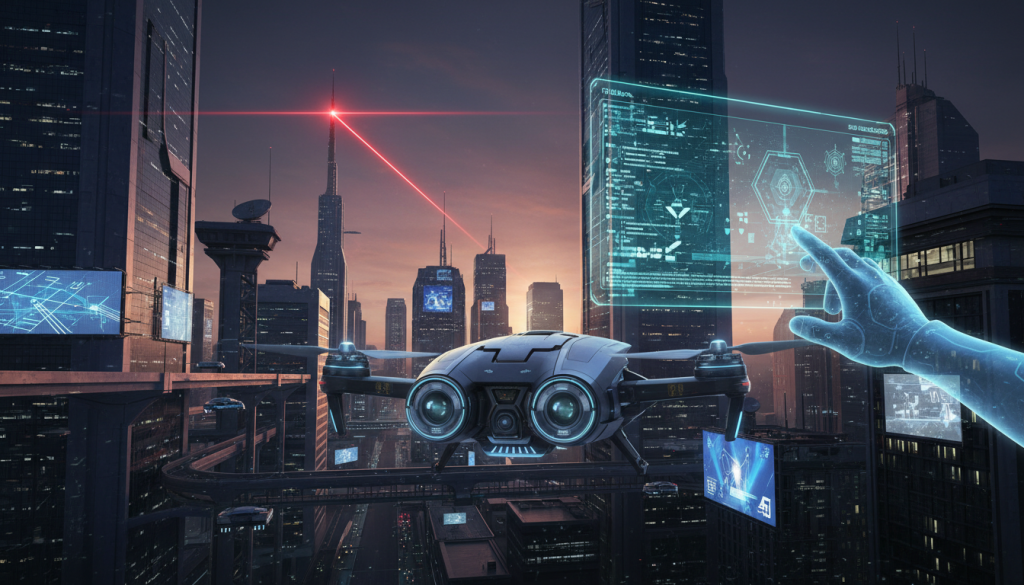
The modern battlefield is evolving at an astonishing pace, and Artificial Intelligence is the primary conductor of this dramatic change. Consider the intricate ballet of Unmanned Aircraft Systems (UAS), once mere remote-controlled eyes in the sky, now increasingly empowered by AI to perform complex missions with minimal human oversight. Swarm Tactics, once a theoretical concept, are becoming a reality, with AI enabling hundreds or even thousands of drones to coordinate their actions, overwhelming defenses with a synchronized, intelligent onslaught. This isn’t just about numbers; it’s about emergent behavior, where the collective intelligence of the swarm surpasses the capabilities of any single unit.
Loitering Munitions and Precision Strikes
Loitering munitions, often dubbed ‘kamikaze drones,’ represent a significant leap in autonomous targeting. These intelligent weapons can patrol an area, identify targets based on pre-programmed parameters or real-time data, and engage with devastating accuracy. The ‘human in the loop’ remains a critical component, ensuring ethical considerations and preventing unintended consequences, but the speed at which decisions are made and executed is drastically reduced, offering a decisive advantage in dynamic combat environments. This capability is amplified by the development of Directed Energy Weapons (DEW), such as Solid State Lasers, which offer the potential for near-instantaneous, precise engagement without the logistical burden of traditional munitions. The synergy between AI-powered targeting and DEW promises a future of unparalleled precision strike capabilities, minimizing collateral damage while maximizing effectiveness.
The AI Revolution in Healthcare
While the military applications of AI might capture headlines, its impact on healthcare is equally, if not more, profound. The relentless march of digital innovation is ushering in an era of proactive, personalized, and accessible medical care. Smart Wearables and Wearable Health Devices are no longer just fitness trackers; they are becoming sophisticated diagnostic tools, continuously monitoring vital signs, detecting subtle anomalies, and alerting individuals and healthcare providers to potential issues before they become critical. Imagine a world where a wearable device can detect the earliest signs of a cardiac event or a neurological disorder, sending a discreet alert to your doctor and even initiating a Telemedicine consultation.
Hybrid Care Models and Biofluidic Sensors
The integration of AI is facilitating the rise of Hybrid Care Models, seamlessly blending in-person medical attention with remote monitoring and virtual consultations. This approach not only enhances patient convenience but also significantly expands access to healthcare, particularly for those in remote areas or with mobility challenges. At the heart of this revolution are advancements in Biofluidic Sensors, miniaturized devices capable of analyzing blood, sweat, or saliva for a myriad of biomarkers. When integrated with AI algorithms, these sensors can provide real-time insights into a patient’s health status, enabling early diagnosis and personalized treatment plans. The potential for early detection of diseases, from cancer to infectious outbreaks, is immense, promising to save countless lives and reduce the burden on healthcare systems.
Cyber Defense and Digital Transformation
As our reliance on digital systems grows, so too does the threat landscape. Cyber Defense is becoming increasingly critical, and AI is emerging as a powerful ally in this ongoing battle. AI-powered systems can analyze vast amounts of network traffic in real-time, identifying malicious patterns and anomalies that human analysts might miss. This proactive approach allows for the rapid detection and neutralization of cyber threats, safeguarding sensitive data and critical infrastructure. The broader Digital Transformation across industries, driven by AI, is creating more interconnected and efficient systems, but also necessitates robust AI-driven security measures to protect against sophisticated attacks. The ability of AI to adapt and learn from new threats makes it an indispensable tool in maintaining the integrity of our digital world.
The convergence of these advanced technologies, from autonomous systems on the battlefield to intelligent diagnostics in healthcare, paints a picture of a future brimming with both challenges and unprecedented opportunities. It is a future where precision is paramount, where data-driven insights guide our decisions, and where the capabilities of human ingenuity are amplified by the power of artificial intelligence. The journey ahead requires careful consideration of ethical implications and robust oversight, but the potential for enhanced security, improved health outcomes, and a more efficient world is undeniable. As we continue to unlock the full potential of AI, we are not just witnessing a technological evolution; we are actively participating in the creation of a fundamentally new era for humanity.